


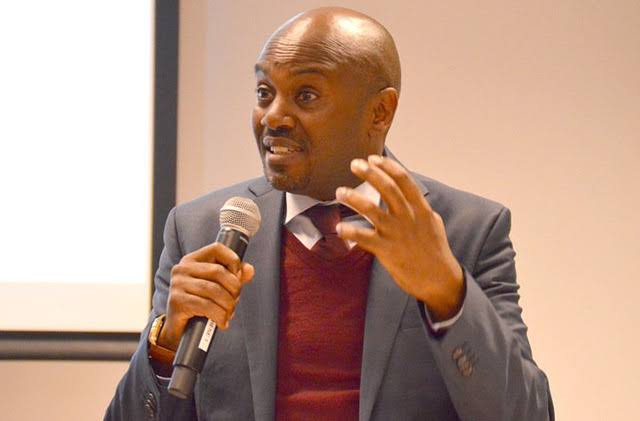
Renowned Ugandan journalist Andrew Mwenda has ignited fresh debate over the National Unity Platform’s performance in just concluded Uganda’s 2026 presidential and parliamentary election, accusing the party of fatally undermining its own chances by failing to deploy polling agents nationwide.
Speaking on his political talk show “Behind the Headlines” a political show on UBC, Mwenda revealed that NUP managed to place agents at only about 35% of polling stations during the January 2026 elections a gap he says made any serious victory mathematically impossible.
“If NUP were being honest, they would admit that they couldn’t deploy agents to more than 35% of polling stations nationwide. If you can’t have an agent at a station, how do you expect to win?” Mwenda remarked.
His comments come as tensions remain high following the 15 January 2026 general elections, where President Yoweri Museveni was declared winner with 71.65% of the presidential vote. The results were immediately disputed by NUP leader Bobi Wine, who alleged widespread rigging while celebrating the party’s strong performance in urban parliamentary races, including sweeping victories in Kampala and Jinja.
NUP Supporters Push Back
Mwenda’s remarks triggered heated reactions from viewers and NUP supporters, many of whom defended the party’s limited deployment. They pointed to reported arrests, abductions, and intimidation of regional party officials in the lead-up to voting day — incidents they say crippled coordination and agent placement.
Supporters argue that the agent shortfall was not organizational failure but rather evidence of state interference in opposition activities, a claim that has persisted throughout Uganda’s electoral cycles.
As legal and political disputes over the election results continue, Mwenda’s blunt assessment has reopened a critical question:
Was NUP outmaneuvered by state pressure or undone by its own logistical shortcomings?.
Either way, the battle for the narrative of 2026 has only just begun.