


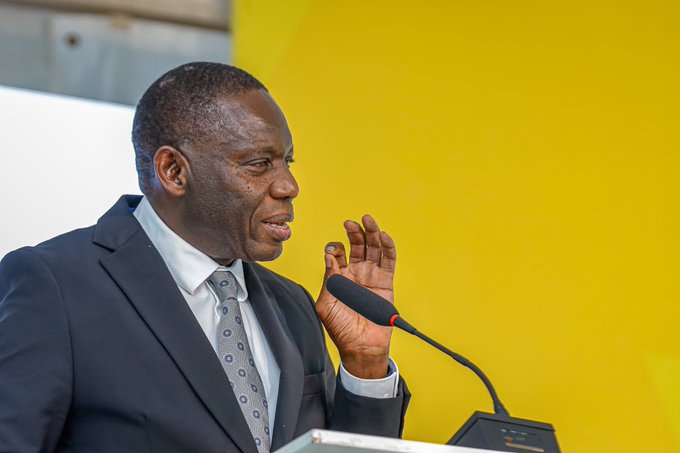
The Governor of the Bank of Uganda, Dr. Michael Atingi-Ego, has issued a stark warning to Parliament over the proposed Protection of Sovereignty Bill, 2026, cautioning that it could destabilize Uganda’s economy if passed in its current form.
Appearing before lawmakers, Atingi-Ego said the Bill’s provisions particularly those restricting cross-border financial transactions and foreign inflows pose a direct threat to the country’s financial stability.
Uganda’s economy, he explained, depends significantly on external financing, including foreign investments, remittances, and development aid, to offset its persistent current account deficit. Limiting these inflows, he warned, could widen the deficit, trigger capital flight, and weaken the Ugandan shilling.
“A country without adequate reserves cannot claim true sovereignty. The potential of this Bill to destabilize Uganda’s balance of payments is our primary concern.”, Atingi-Ego told legislators

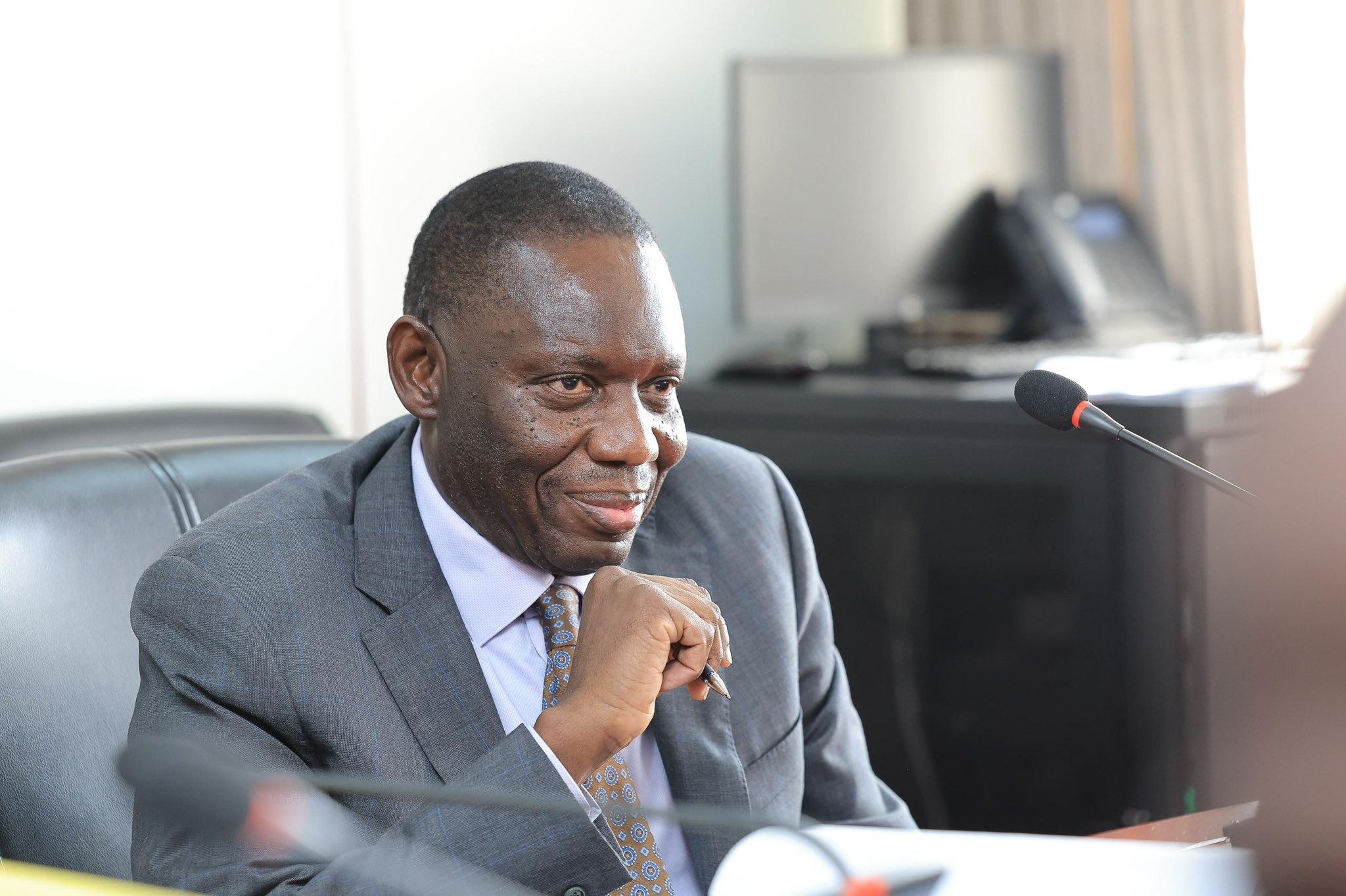
The Governor revealed that Uganda recorded a $1.5 billion balance of payments surplus in the last financial year, boosting foreign exchange reserves to nearly $6 billion.
He cautioned that disrupting inflows could quickly reverse these gains.
“The moment you tamper with these inflows, we risk running down our reserves—and that is economic disaster for a country,” he warned.
Atingi-Ego also raised concerns about the likely depreciation of the Ugandan shilling if investor confidence declines. A weaker currency would increase the cost of imports, pushing up domestic prices.
He noted that Uganda’s current 3% inflation rate could come under pressure, forcing the central bank into a difficult policy choice: raise interest rates to curb inflation or allow prices to rise beyond target levels.
“What will be the impact on price stability if this Bill passes as it is?” he questioned.
The warning from the central bank comes shortly after the World Bank raised similar concerns.
In its submission to Parliament, the World Bank cautioned that the Bill’s broad provisions could disrupt development operations and even criminalize routine activities such as policy consultations, economic reporting, and lending discussions.
It further warned that the legislation may conflict with Uganda’s international treaty obligations, particularly regarding legal protections for global institutions.
The Protection of Sovereignty Bill, 2026 seeks to regulate foreign influence by requiring registration of “agents of foreigners,” restricting foreign funding, and imposing stiff penalties for activities deemed to undermine national sovereignty.
While the government argues the law is necessary to shield Uganda from external interference, critics including economists, legal experts, civil society groups, and opposition figures say it risks being misused to stifle dissent, deter investment, and strain development partnerships.
As debate intensifies, Atingi-Ego’s warning adds significant weight to growing concerns that the Bill, if enacted without revisions, could carry serious long-term consequences for Uganda’s economic stability.