


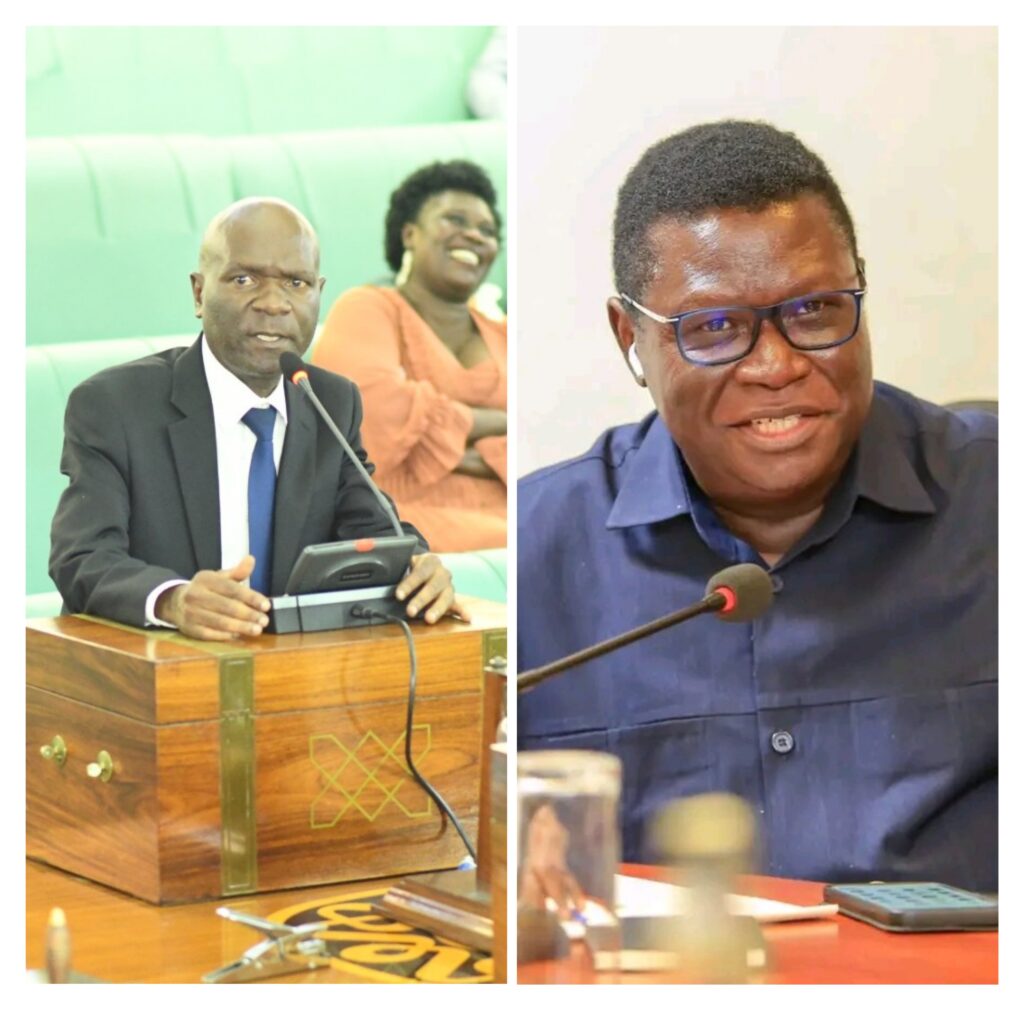
Forum for Democratic Change (FDC) member and out going Mawokota County South MP Hon. Yusuf Nsibambi has come out strongly to defend Democratic Party (DP) president and Laroo-Pece MP – elect Norbert Mao’s working relationship with President Yoweri Kaguta Museveni, conceding that many in the opposition initially misunderstood Mao’s intentions.
Speaking on Sanyuka TV’s Morning Xpress, hosted by Adam Kungu, Nsibambi said Mao’s decision to engage with President Museveni culminating in his 2025 appointment as Minister of Justice and Constitutional Affairs should be viewed through the lens of dialogue, not betrayal.
Nsibambi, who also serves as the FDC parliamentary whip, emphasized that Uganda’s deeply polarised political environment requires leaders willing to talk across political lines. He argued that national unity and peaceful engagement with all stakeholders must take precedence over perpetual confrontation.

According to Nsibambi, opposition politics should not be reduced to hostility, noting that constructive dialogue can help address longstanding national challenges without resorting to violence.
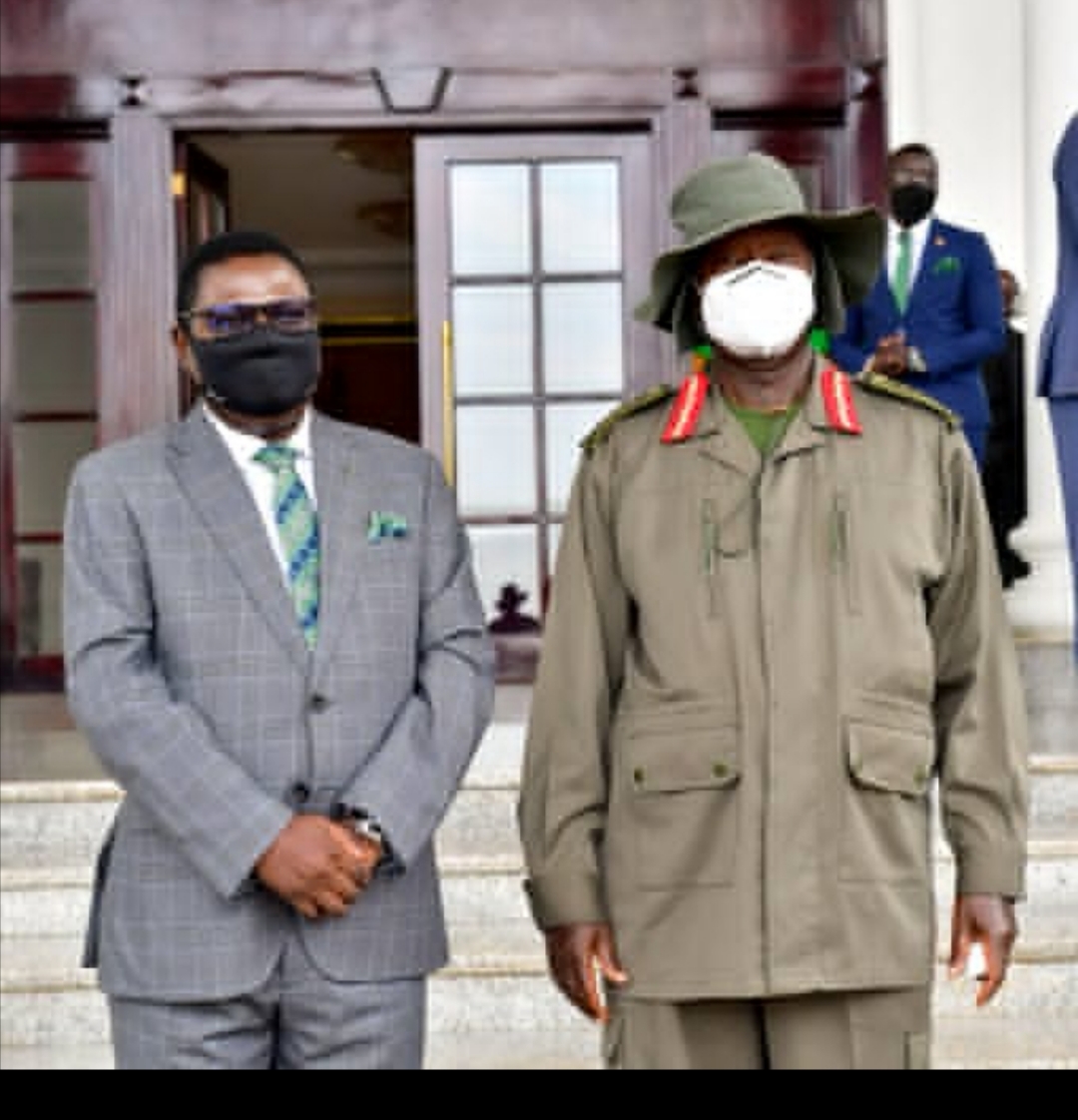
It should be noted that Nsibambi was among several opposition MPs who have held closed-door meetings at State House Entebbe with President Museveni this week , aimed at exploring ways of uniting the country peacefully.
However, his remarks have sparked mixed reactions among viewers. Several respondents to his remarks expressed deep skepticism toward Mao’s closeness to the ruling government, reflecting long-standing opposition fears of compromise and co-option. Others acknowledged the need for dialogue but questioned whether it can deliver meaningful political reforms.
The interview has since attracted modest online engagement, yet it has reignited debate within opposition circles over inter-party cooperation, loyalty, and the future of Uganda’s multiparty democracy