


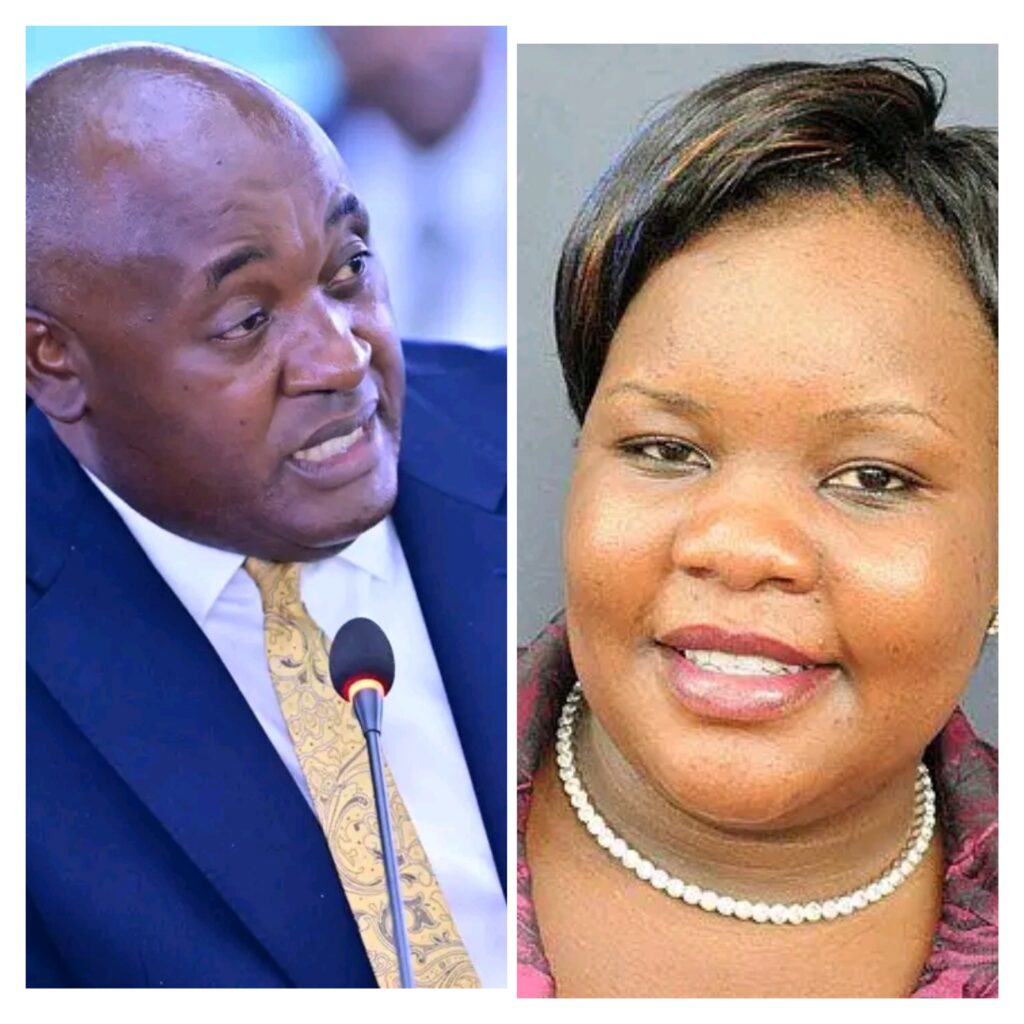
Information Minister Dr. Chris Baryomunsi has reopened the controversial 2012 arrest linked to the death of former Butaleja Woman MP Cerinah Nebanda, firmly dismissing claims that he was involved in stealing the late legislator’s body parts.
Baryomunsi was responding to Kira Municipality MP Ibrahim Ssemujju Nganda, who faulted him during the 11th Parliamentary sitting on Thursday, January 29, 2026, for failing to formally thank him for visiting him while in detention at Jinja Road Police Station in 2012.
Ssemujju told Parliament that he personally visited Baryomunsi shortly after his arrest at the height of investigations into Nebanda’s death, saying the minister was being held under harsh and humiliating conditions.
According to Ssemujju, Baryomunsi was at the time denied permission to wear sandals while in custody, a situation he said compelled him to offer solidarity during what he described as a difficult moment.
In response, Baryomunsi insisted that his arrest had nothing to do with stealing body parts, arguing that he was targeted for pushing for an independent probe into the circumstances surrounding Nebanda’s sudden death.
“The charges I faced in 2012 were not about stealing body parts of the late Hon. Cerinah Nebanda,” Baryomunsi told Parliament.
“We were fighting for the welfare of a colleague who died under unclear circumstances.”He added
Nebanda, then just 24 years old, collapsed and died in December 2012, with initial postmortem reports attributing her death to a drug overdose.
The explanation immediately triggered public outrage, protests, and chaos in Parliament, with many questioning the circumstances under which the outspoken opposition MP died.
More than a decade later, her death remains one of Uganda’s most controversial political mysteries.
At the time, Baryomunsi — a medical doctor and legislator was arrested and charged with conspiracy to unlawfully obtain autopsy samples from Nebanda’s body.
However, in 2013, the case collapsed in court after prosecutors failed to present sufficient evidence, leading to his acquittal.
With the matter resurfacing in Parliament, Baryomunsi said he harbours no regrets over his actions and warned against reviving the tragedy for political intimidation or blackmail.
“This matter should never be used for blackmail,” he said.
The renewed debate has once again reignited discussions around state accountability, suspicious deaths, and the treatment of political dissent in Uganda issues many say remain unresolved to this day.