


Uganda’s President Yoweri Kaguta Museveni has openly confirmed that his government detained two Kenyan activists, just a day after their release set social media and political circles buzzing.
Speaking to the media on Saturday night, President Museveni admitted that the two Kenyan nations had indeed been under custody, despite the government previously denying any involvement for over a month.
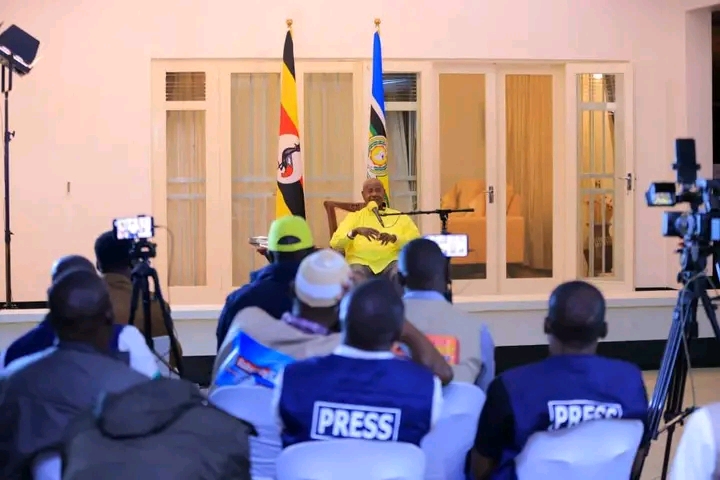

Museveni claimed that the pair had allegedly been working with Uganda’s opposition figure, Robert Kyagulanyi Ssentamu alias Bobi Wine, whom he accused of mobilizing riot strategies.
“Here in Uganda, we have our own groups which we monitor, We arrested two Kenyans they were working with Kyagulanyi’s group. They are experts in riots with our intelligence, we picked them up and they have been in the custody for some days.”,Museveni said .
The President added that pressure from Kenyan leaders influenced the decision to release them.

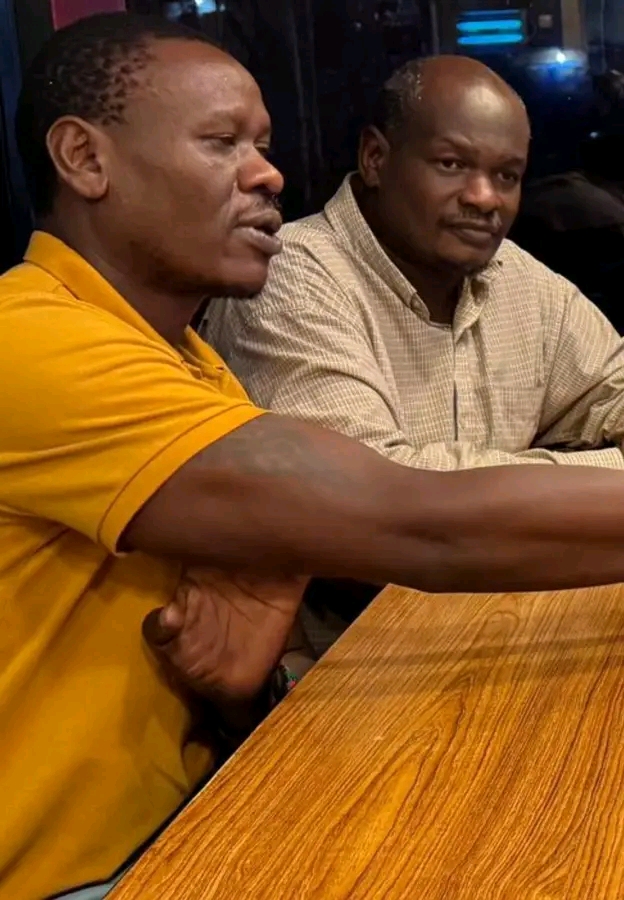
His remarks come shortly after Kenyan activists Bob Njagi and Nicholas Oyoo were handed over to Kenyan authorities at Busia Border on Friday night, following over 38 days in what Bobi Wine has called “incommunicado military detention.”
Bobi Wine quickly reacted through his social media pages, accusing Gen. Muhoozi Kainerugaba, the UPDF Chief and son to President Museveni, of directly supervising the detentions.
“After 39 days of torture and detention, our Kenyan brothers Bob Njagi and Nicholas Oyoo have been dumped at the border. They told me they were held at Kasenyi military barracks under Muhoozi’s command, questioned for attending our manifesto launch in Jinja.”,Bobi Wine stated
The release of the activists has since sparked debate in both Uganda and Kenya, with human rights groups calling for transparency and investigations into cross-border political arrests.
As political tensions continue to rise ahead of Uganda’s future electoral activities, the issue has now reignited discussions on regional political interference, human rights, and freedom of association.