


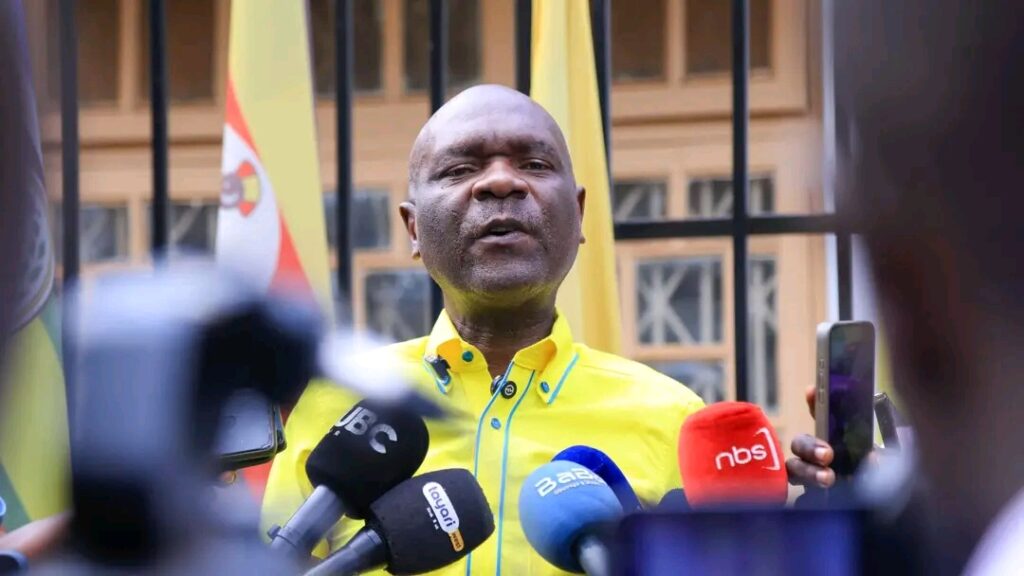
A major political realignment has rocked Uganda’s opposition after Yusuf Nsibambi, the Vice Chairperson of the Forum for Democratic Change (FDC) for the Central Region and outing Mawokota South MP, officially defected to the ruling National Resistance Movement (NRM).
Speaking at the NRM secretariat on Wednesday, Nsibambi said his decision followed deep reflection on what he described as chronic disorganisation, poor coordination, and lack of strategic direction within the opposition.
“There is no proper direction. We have never sat as opposition parties to harmonise positions on key national issues. Decisions are taken without consultation, and that confusion has affected our credibility before the electorate,” Nsibambi said.
Nsibambi brings with him a long résumé in opposition politics. He previously served as Chairperson of the FDC Electoral Commission, later rose to Deputy President for the Central Region, and went on to become Shadow Minister for Works and Transport before assuming the role of Opposition Chief Whip in Parliament.
However, he said years of internal wrangles within FDC weakened the party and eventually gave rise to splinter formations linked to figures such as Betty Kamya, Mugisha Muntu, and Erias Lukwago.
Reflecting on the most recent Mawokota South elections, Nsibambi openly admitted defeat, describing the loss as a turning point in his political journey.

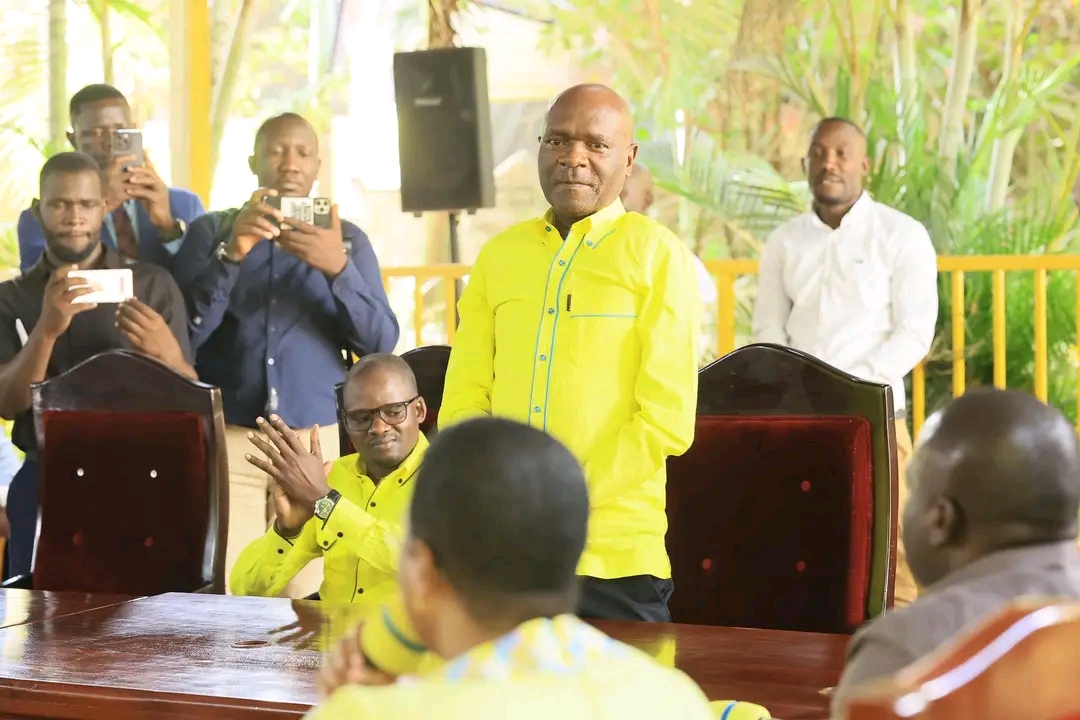
“No one believed I could lose Mawokota South, but I sincerely lost. The electorate told us they were tired of the kind of politics we were advancing,” he said.
He criticised confrontational approaches within sections of the opposition, including parliamentary walkouts and youth-led protests without a clear, unified agenda.
“You cannot build a political programme on confusion. Instead of presenting development programmes and clear budgets, the focus shifted to defiance without coordination,” Nsibambi noted.
Nsibambi revealed that after engaging leaders within the NRM, he concluded that working with government offered a more constructive and peaceful path.
“We have a duty to work harmoniously. We need tranquility for development. Chaos will not help our country,” he said, pledging to serve in any capacity within the ruling party and to formally return his FDC membership card.
Welcoming Nsibambi, NRM National Vice Chairperson (Female) and Speaker of Parliament Anita Annet Among said the ruling party continues to attract members from across the political divide.
“Our home is big enough to accommodate everybody. All those who want to join the NRM should know that the party is open,” Among said.
She credited Yoweri Museveni for mentorship and said Nsibambi’s move reflected confidence in the NRM’s performance record. She also confirmed that eight Independent MPs had officially joined the party, including Muhammed Ssentayi, Gyavira Ssemwanga, Charles Ngabirano, Jovia Kaliisa, and Bernard Mutebi Mugoya, among others.
NRM Secretary General Richard Todwong described Nsibambi’s defection as consistent with the party’s historical mission.
“The 1986 struggle that brought the NRM to government was strengthened by comrades who were once on the other side. That is how the NRM survives — by recruiting, reconciling, and working together,” Todwong said.
He added that the NRM remains focused on unifying national priorities such as infrastructure, education, healthcare, peace, security, and wealth creation.
“Our manifesto summarises the needs of all Ugandans. We do not shout like others; we plan deliberately and act purposefully,” he said.
Nsibambi’s defection marks one of the most high-profile political shifts in recent months, further reshaping Uganda’s opposition landscape ahead of future political contests.