



Former presidential candidate Robert Kyagulanyi Ssentamu, widely known as Bobi Wine, has firmly pushed back against former allies claiming they were key to his political rise, insisting leadership is earned from the people not manufactured by individuals.
Speaking in a Radio One interview in Washington, the National Unity Platform (NUP) leader responded to remarks by former political allies Mathias Mpuuga and Medard Ssegona, who have both suggested they played a central role in building his political career.
Bobi Wine dismissed the claims with a sharp rebuttal:“If they say they made me, they can make another.”
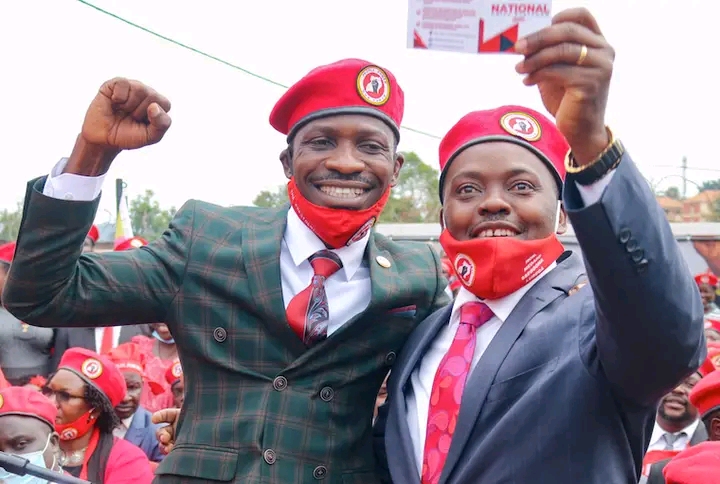
The fallout intensified following tensions surrounding NUP’s internal decisions ahead of the 2026 elections. Medard Ssegona, who was denied the party’s official flag bearer position for Busiro East in favor of Kadongo Kamu singer Mathias Walukagga, openly expressed disappointment.
While addressing supporters at his home in Buddo, Ssegona detailed his past role in Bobi Wine’s political journey. He pointed to the 2018 treason charges against Bobi Wine, stating he was instrumental in securing his release.
“It’s painful to be sidelined by those you lifted,” Ssegona said, voicing his frustration.
The exchange exposes ongoing divisions within NUP, Uganda’s leading opposition party. Disagreements over influence, recognition, and internal power dynamics have persisted since the 2021 general elections, where Bobi Wine emerged as the main challenger to President Yoweri Museveni.
Questions over who deserves credit for his rise from musician and activist to national political figure continue to fuel tensions among senior party members.
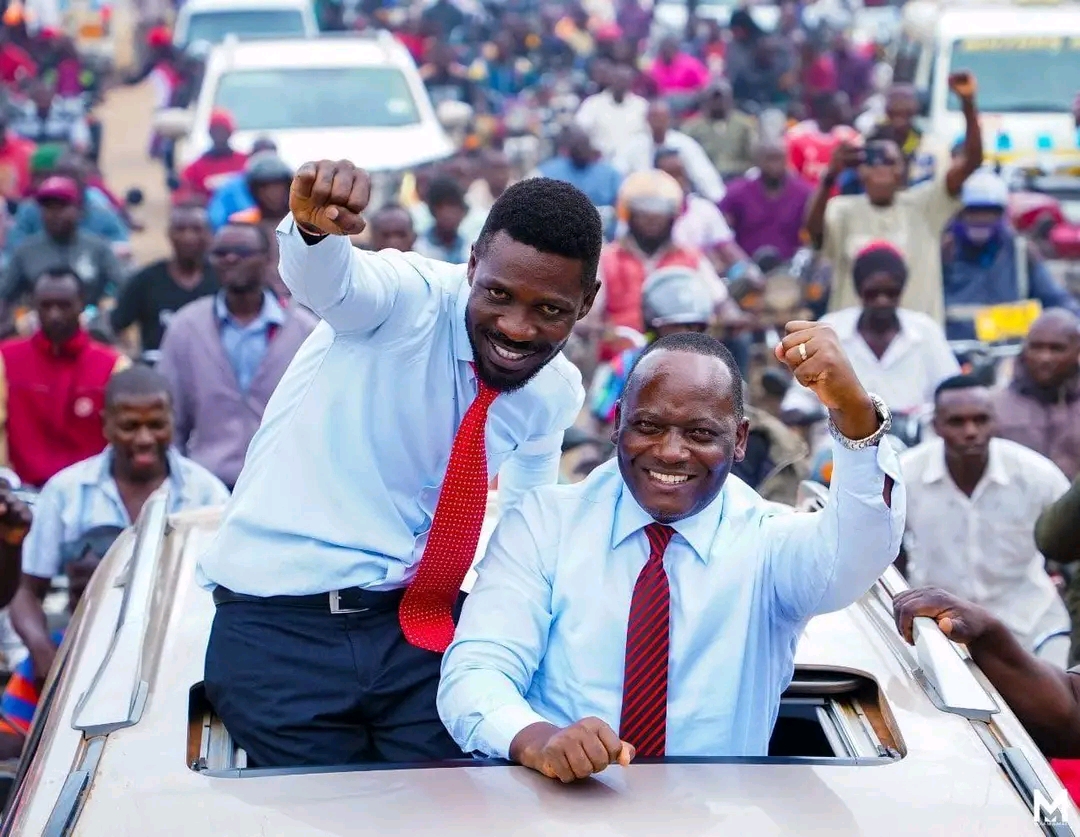
In his response, Bobi Wine emphasized resilience as the true measure of leadership. He argued that leaders are shaped through struggle fighting when necessary, retreating when strategic, and returning stronger.
He framed his political journey as one rooted in grassroots support, not elite sponsorship, reinforcing his image as a people-driven leader.
Despite the internal disputes, Bobi Wine signaled a broader vision one that goes beyond individual contributions. He stressed that political legitimacy comes from sustained public trust, not personal claims of mentorship.
As tensions continue to simmer, the debate over who built Bobi Wine and what defines leadership within Uganda’s opposition remains unresolved.