

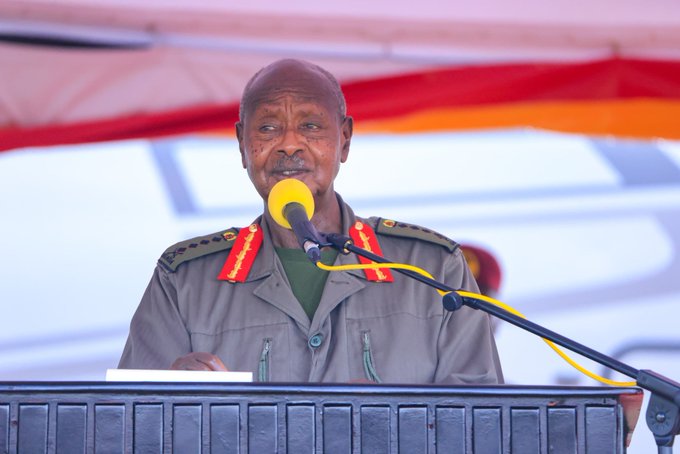

Ugandan President Yoweri Museveni has stirred widespread discussion after revealing he hasn’t eaten rice in nearly five decades.
Speaking at an NRM meeting in Kyankwanzi on April 10, 2026, Museveni said he gave up rice in 1979 after returning from exile in Tanzania. Instead, he sticks to a strictly traditional diet.
“I have not eaten rice since I came back from Tanzania in 1979. I have my food: cassava, millet, banana, cowpeas, groundnuts,” he said.
The 81-year-old leader, who has been in power since 1986, credits indigenous African foods like millet for his strength, health, and longevity.
But for Museveni, it’s not just personal preference it’s policy.
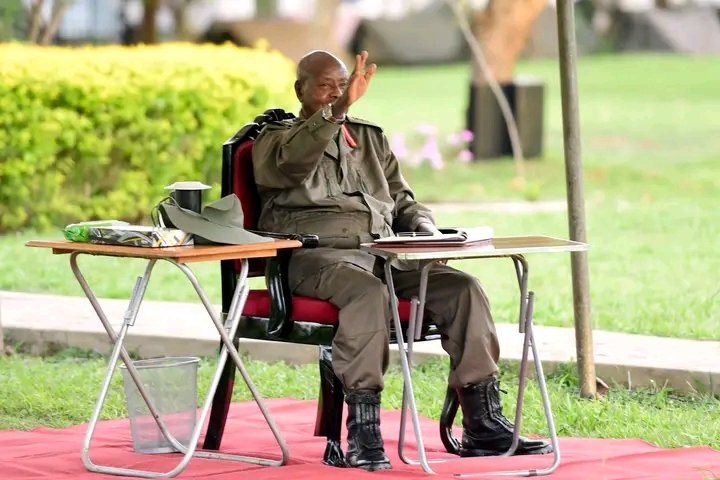
He argues that promoting local foods can boost domestic agriculture, reduce reliance on imports, and shield Uganda from global supply shocks.
This stance isn’t new. In 2020, he dismissed both rice and bread as foreign to African diets, noting rice’s Asian origins. However, he made one exception—Irish potatoes, which he consumes for their low calorie content.
For years, Museveni has urged Ugandans to embrace traditional diets. Yet, shifting consumption trends across Uganda and Africa suggest many are moving in the opposite direction.